History of the Douro Valley and Port Wine
Article by guest author Peter Brooker
As part two of our adventure into Portugal, I wanted to recite some of the things we learned on behalf of our tour guide. Hence you might feel like you’re on a tour yourself as this is spoken in first person narrative, with the photos included for context. Sip back and have a glass and enjoy this one.
The year is 1755 and Portugal had just experienced the biggest disaster in its history: the 1755 Lisbon earthquake, tsunami and fire.
The earthquake struck on All Saints’ Day, which was a religious holiday, so many people were in churches with candles burning. The earthquake was followed by a tsunami and then a huge fire, which burned for around two weeks. Around 80,000 people died, and the centre of Lisbon was almost completely destroyed.
The country needed an enormous amount of money to rebuild Lisbon, and the disaster had affected Portugal as a whole. So the question was: How could we raise the money needed to rebuild the city and the country?
The answer was wine.
The Prime Minister at the time decided to create the first regulated wine region in the world — the Douro Valley. For the first time, there were official rules governing how wine could be produced and how its quality could be controlled.
One of the important rules was that the wine could not simply be altered or mixed with other wines. There were many other regulations as well.
They also created a company whose purpose was to control and check the quality of the wine. This was a royal company and became one of the oldest companies in Portugal.
The rules were extremely strict. If somebody tried to break them or produce wine outside the regulations, there could be very severe consequences — it was essentially a case of being either with us or against us.
This system actually worked very well. Hundreds of stone markers were placed around the valley to identify the areas where wine could be produced and marketed. Rules were established for production, and the reputation of Douro wine began to recover because consumers could rely on a much more consistent level of quality.
Everything was going very well. We were finally able to sell the wine successfully.
The Phylloxera Disaster
Then, in the following century, disaster struck again.
A small insect arrived from America — phylloxera — which attacks the roots of grapevines. It spread rapidly through vineyards.
For around eight years, not only the Douro Valley but vineyards across much of Europe were devastated by the disease.
Nobody seemed to know how to save the vines, and the Douro Valley was almost abandoned. The disease came close to destroying the valley's wine industry completely.
Eventually, a solution was discovered by a woman from the Douro Valley, working with French engineers.
They discovered that the way to save the vineyards was to graft Portuguese grapevines onto American rootstock. The American rootstock was resistant to phylloxera, so although the grape-producing part of the Portuguese vine could be attacked, the roots were protected.
It was essentially a very patriotic little bug — it attacked European vines but not the American roots!
By grafting the Portuguese vines onto American rootstock, the vineyards of the Douro were saved.
Some of the vines you see today still have those American root systems underneath them. This is how we were able to preserve and rebuild the Douro Valley as a wine-producing region.
British Influence in the Douro
Over the years, many British families came to the Douro because they had the money and commercial connections needed to develop the wine trade.
As a result, many of the wine estates and Port houses you see today have British origins. Over time, the families became closely connected with Portugal, creating a fascinating mixture of Portuguese and British influences.
You will see names such as Churchill's, and there are also houses such as Taylor's, Graham's and Fonseca, among many others.
Olives and the Douro Landscape Olive trees
The Douro region produces excellent olives and some very good olive oil. The olive trees, however, have another important purpose here.
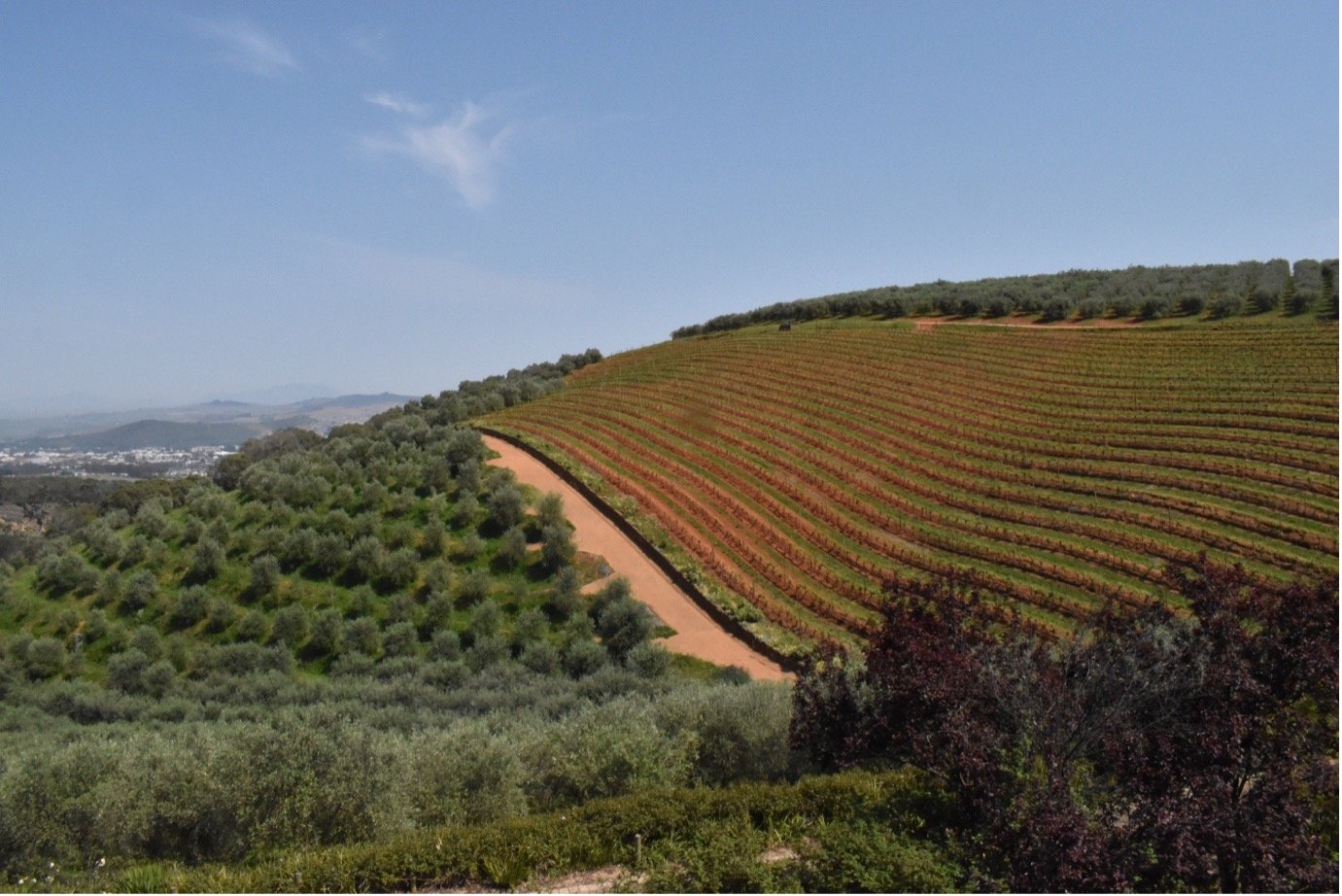
The vineyards are planted on very steep slopes, and many of the terraces are supported by dry-stone walls. These walls are made simply by placing rocks on top of one another, without mortar holding them together.
Because the Douro receives heavy rain at times, there can be landslides, and the walls can collapse.
The roots of the olive trees help to hold the soil and the walls together. You can see them growing along the edges of the terraces. Their roots help stabilise the ground.
When the walls do collapse, it is almost like a giant game of Jenga — the stones fall apart and the wall has to be rebuilt.
The olive trees therefore have an important role beyond simply producing olives and olive oil.
Cork
We also produce another important Portuguese product here: cork.
Portugal produces around 50% of the world's cork, and cork is an excellent natural insulator.
It is not only useful for wine bottles. Cork can be used for many different purposes, although it is not necessarily a cheap material.
One of the most interesting uses of cork here in the Douro is a building we are going to see in front of us.
You can see the dark exterior of the building. It is covered in cork, which helps to regulate the temperature inside.
During the summer, the cork can help keep the building around 3–4°C cooler, while in winter it can keep the interior around 4°C warmer.
That makes it particularly useful for maintaining stable temperatures for wine.
The Rose Bushes
You may also notice rose bushes planted around the vineyards. Why do we have rose bushes?
Everything has a purpose here — nothing is really there by chance. The rose bushes act as an early warning system for pests.
When insects arrive to attack the vineyards, they often go for the flowers first because they are particularly attractive to them. So when the producers notice that the rose bushes are being attacked, they know that the vineyards may be next.
They can then identify the type of pest and take preventative action before the vines themselves are damaged.
In that sense, the rose bushes are like bodyguards for the vineyards. The Wine Estates
On the left-hand side you can see some white buildings down by the river. This is The Vintage House, one of the historic hotels in the region.
The Douro is also home to many large quintas.
The word quinta is often translated simply as "farm", but it is much more complex than that. A quinta can be a large estate containing vineyards, a winery, accommodation, restaurants and other facilities.
Some of these estates are extremely historic and have been associated with British families for generations.
Many of the estates cover enormous areas of vineyard, with thousands of acres under production.
You can see the vineyards stretching across the hillsides and, again, the olive trees mixed into the landscape.
Port Wine and the British Connection
The British played a very important role in the development of Port wine.
Families established businesses here and developed strong commercial connections between Portugal and Britain. Many of the famous Port houses therefore have British origins, although they have become an important part of Portuguese wine culture.
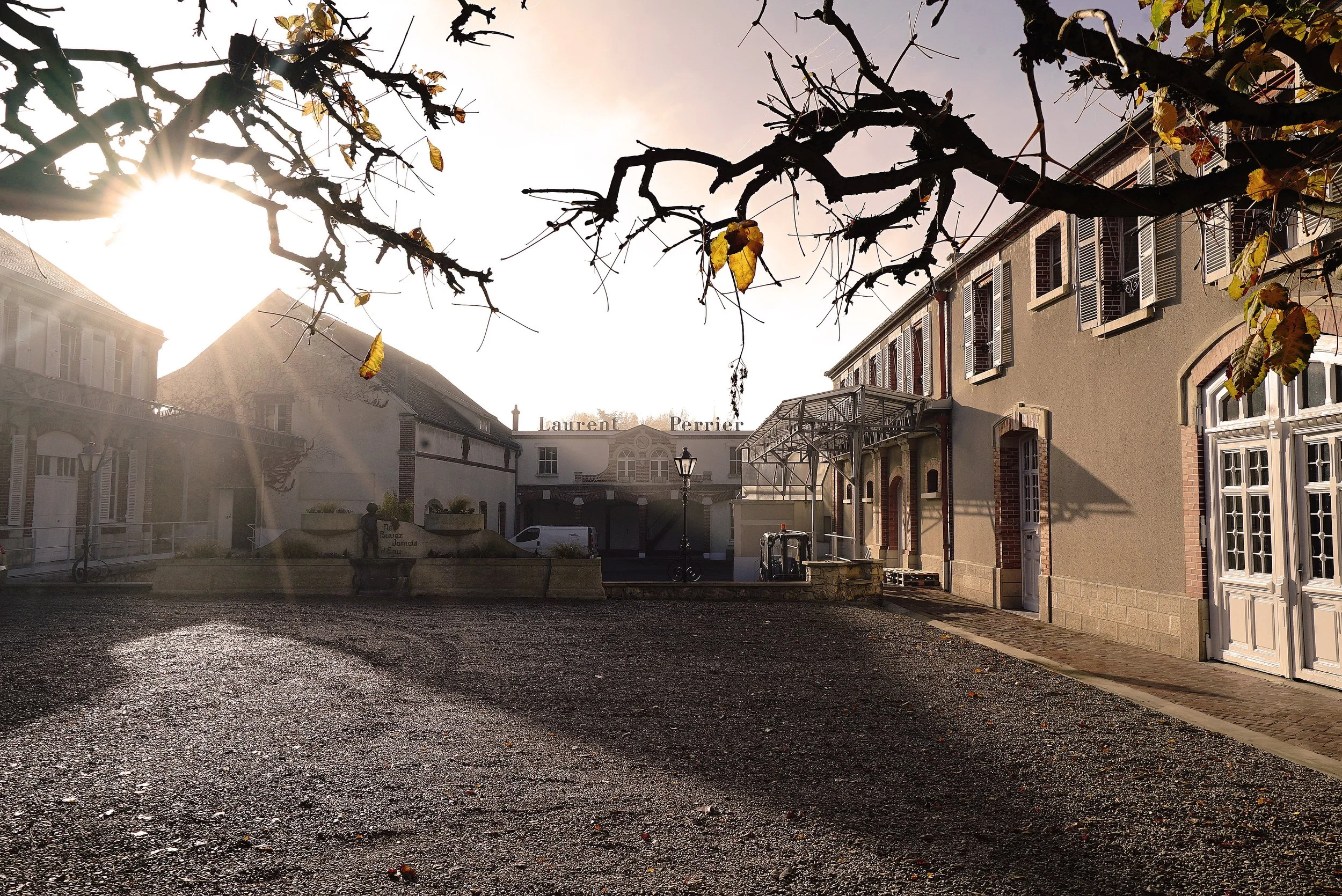
There are also Portuguese, British and French companies represented in the Douro today.
One of the most important Port houses is Sandeman, which is famous for its distinctive branding and the image of the caped figure.
Another famous name is Fonseca, one of the great historic Port brands. A Little About Port Wine
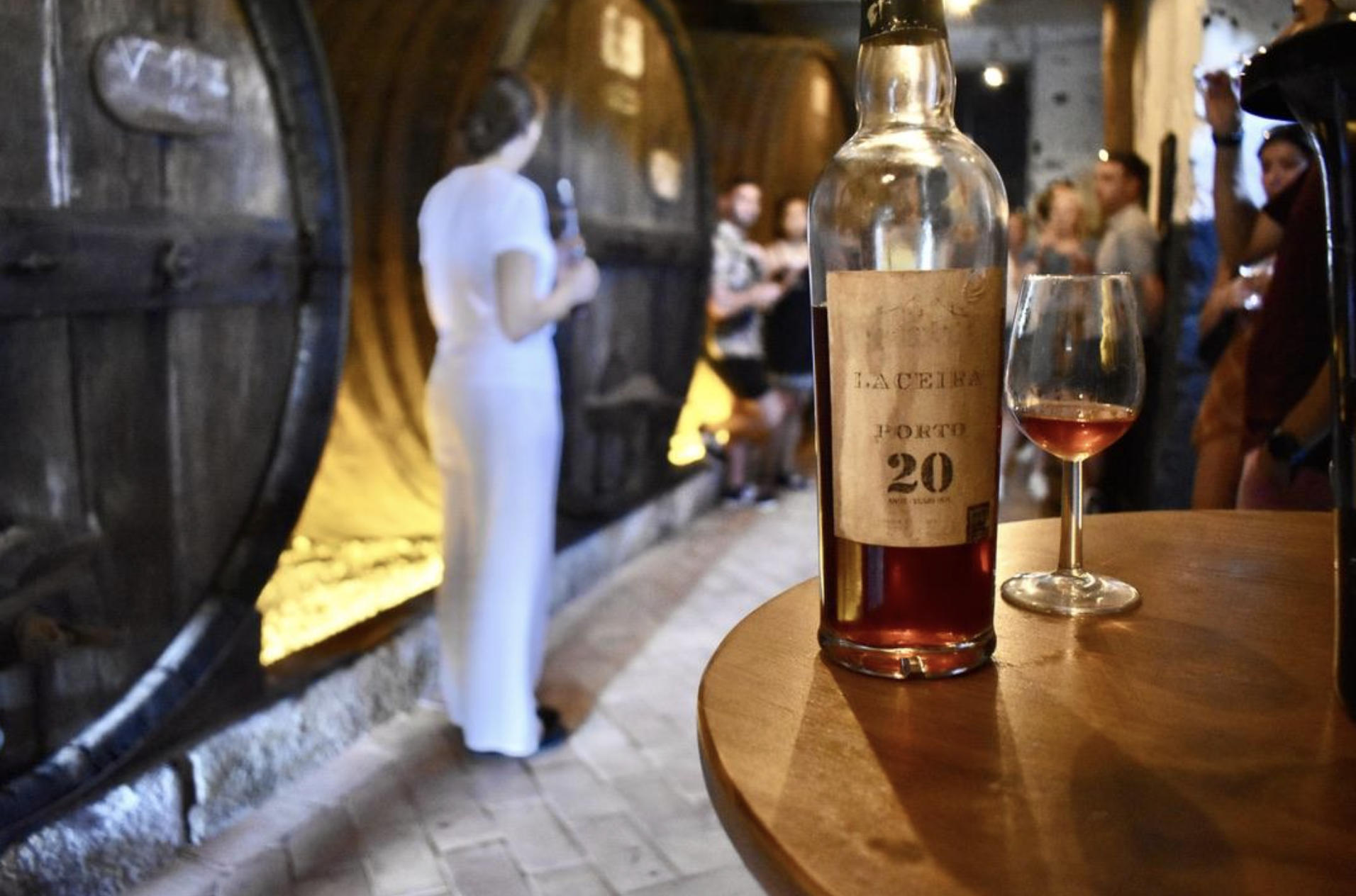
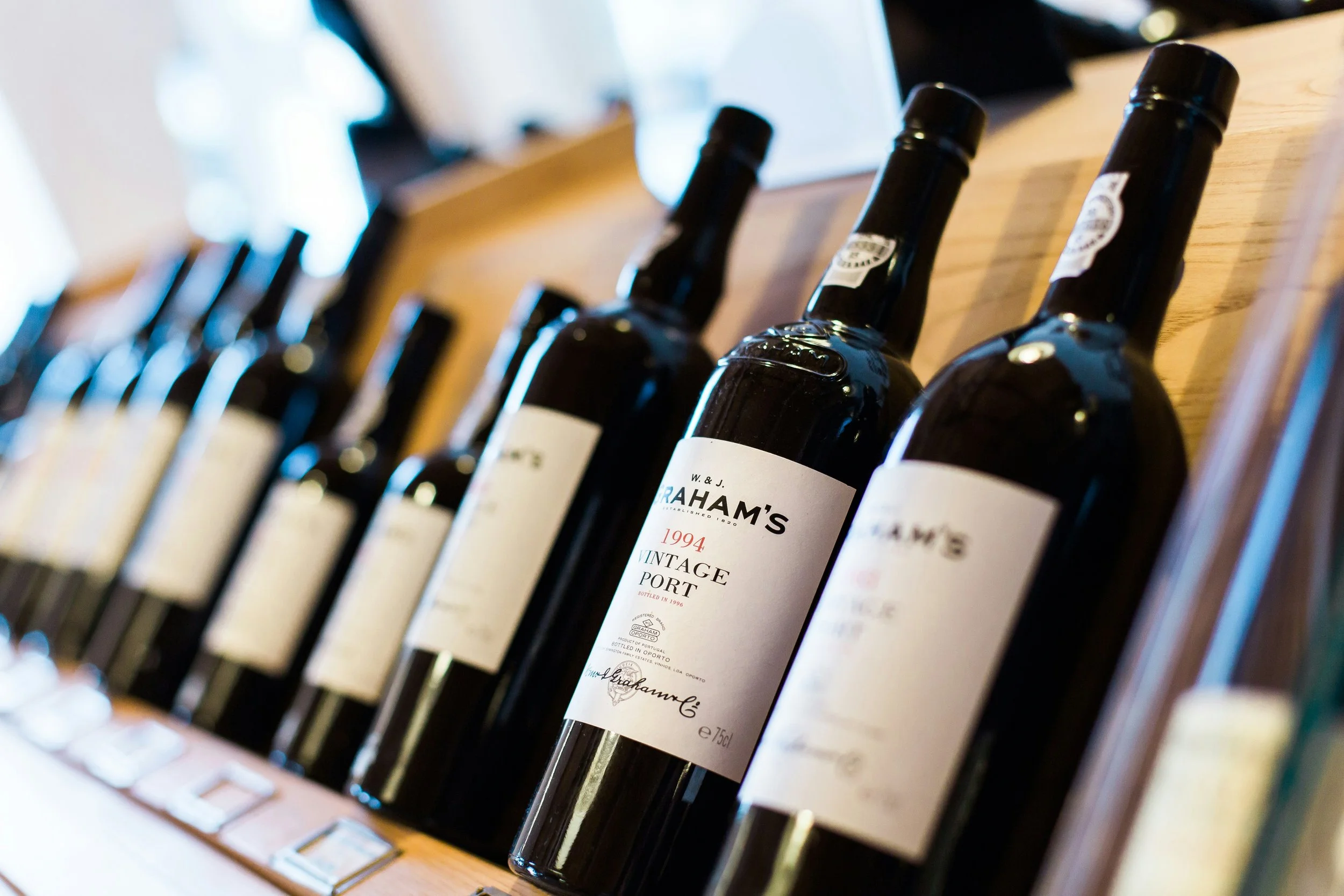
Port is a fortified wine, and it is normally between 18% and 22% alcohol. There are several different styles of Port.
A Ruby Port is generally aged for a relatively short period before being bottled, while Tawny Port is aged for much longer in wood.
The wine we are tasting here is a Fine Ruby Port.
It has been aged for many years and is a good example of the style. You can take a proper photograph of it before we continue!
Cheers in Portugal
I have been asking where everybody comes from because it is interesting to hear the different languages and ways of saying "cheers".
In Portuguese, we traditionally say "Saúde!", which means "to health".
In a more informal and friendly environment, you may also hear "A nós!", which means "to us". Since we are in Portugal, drinking Port together, we can certainly use that one!
So, altogether:
A nós!
The Douro Vineyards
Portugal has a very strong wine culture. The Portuguese are among the world's biggest consumers of wine per capita, drinking around 61 litres of wine per person per year.
The vineyards here in the Douro are particularly remarkable because the vines have to survive in very difficult conditions.
The roots can grow as deep as 15 metres into the ground.
The vines have to search deep into the soil for moisture, growing down through the layers of
shale and wrapping around the rocks.
That difficult environment is one of the reasons the Douro produces such distinctive wines.
The shale soils, the steep terraces, the climate and the struggle of the vines all contribute to the character and mineral qualities of the wine.
And, of course, Port wine can only be produced in the Douro Valley under the protected designation governing Port production.
That combination of history, geology, climate and human work is what makes the Douro Valley such a unique wine region.
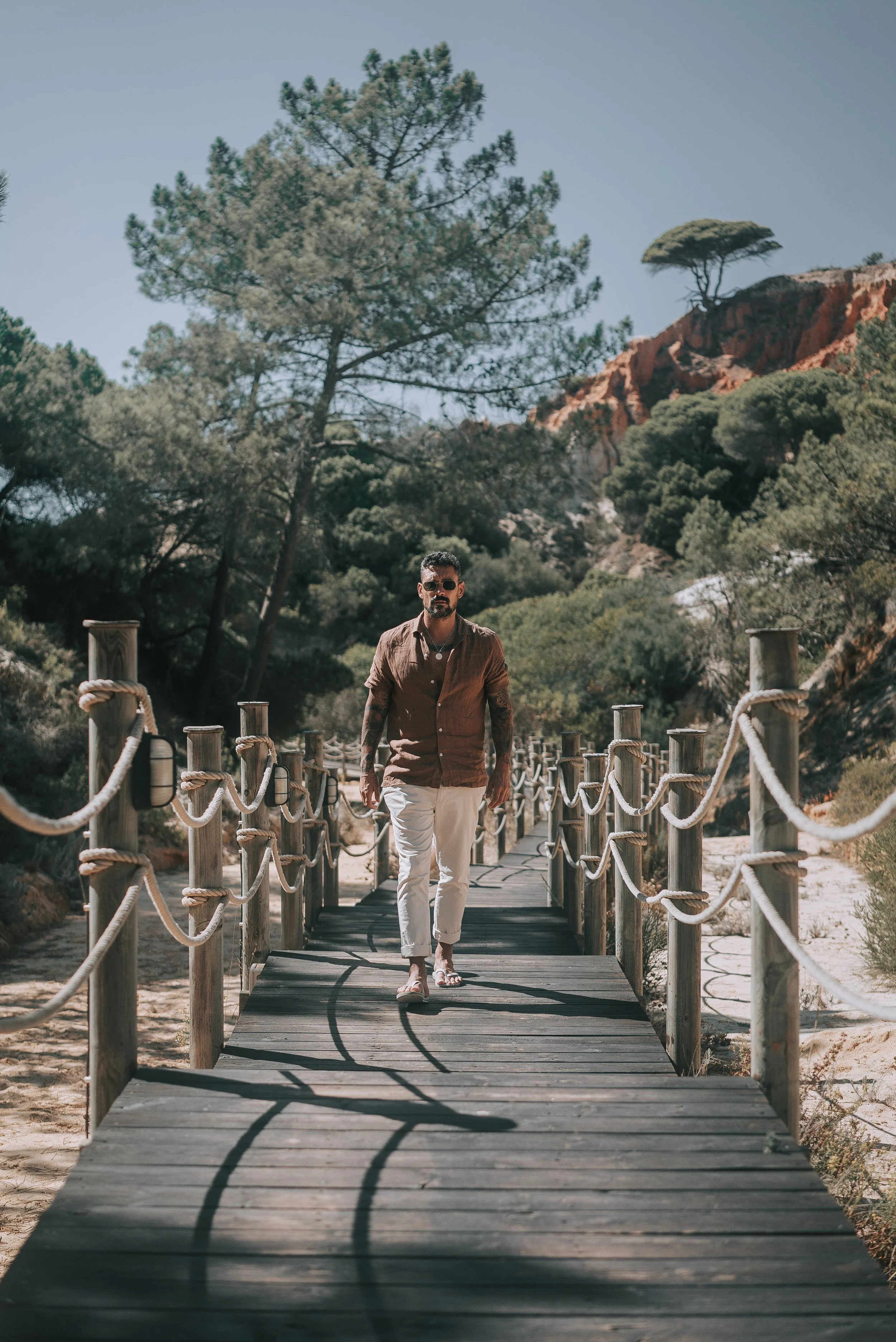
Photo by Bruno Martins on Unsplash

Founder of this eponymous blog, focusing on men's fashion & lifestyle.