THE SECRETS OF MAKING PORT - FROM THE QUINTA DE PORTO ESTATE
Article by guest author Peter Brooker
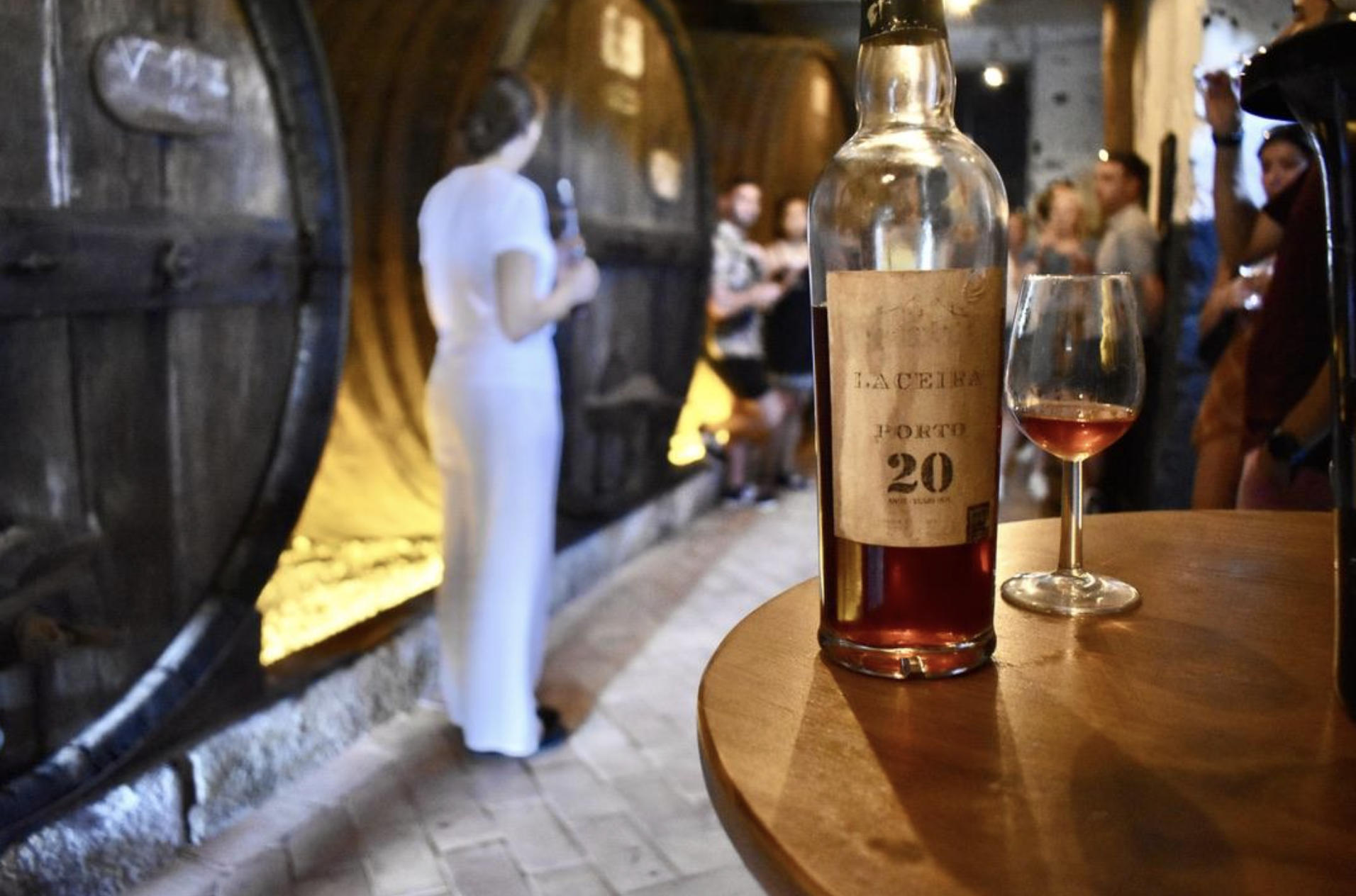
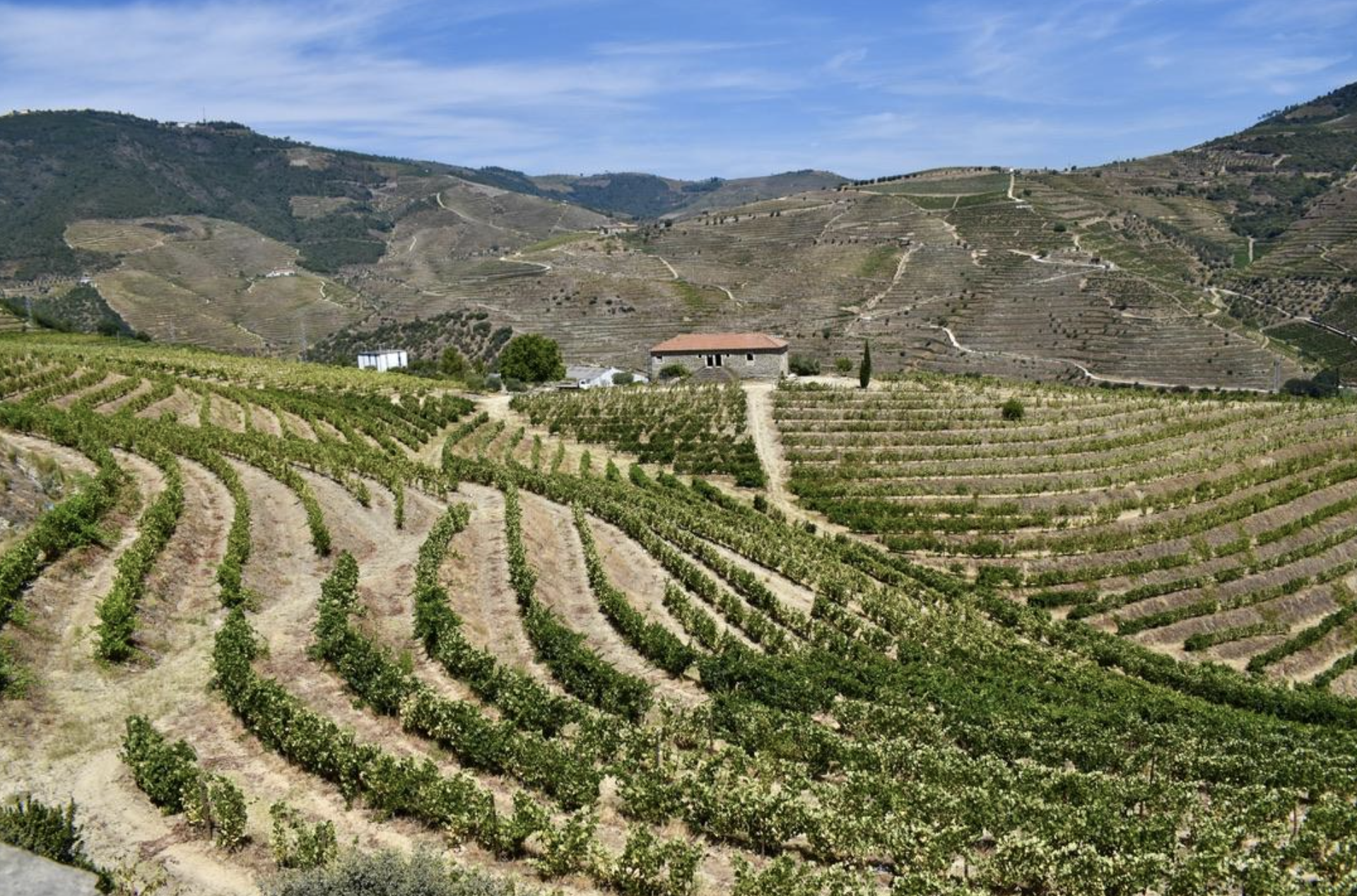
I recently had the good fortune of visiting the Quinta de Porto estate. This is a historic, 36-hectare estate located in Sabrosa, within the Cima Corgo subregion of the Douro. Famed for producing premium Port wines for the centuries-old brand Quinta do Porto Ferreira, it is a cornerstone of the region's rich viticulture history.
I jotted down some notes from the tour, the name of the guide escapes me apologies. But this was recorded in the first person and I believe anyone looking to learn about Port would find this useful.
The Process of Making Port Wine
"At Quinta de Porto, we once had lunch at my granny’s house. She was explaining something in Portuguese about the traditional way of working with the grapes — with our bare feet.
If you ever come to the wineries nowadays, they offer you the experience of actually doing this yourself. If you’re interested, you’re more than welcome to join us and do it for a couple of days. I’m sure you’ll fit in, because everyone is walking around doing the fun bit of the hard work.
There’s a bit of technique involved as well. You’ll have about eight people lined up in a row, moving left and right just above your knees. You really have to extend your legs all the way up, so you’re pretty much doing high knees for about two and a half hours!
I promise you, after that you’ll be exhausted.
You go from one side of the vat to the other. It’s a very slow process. What’s happening here is that the line is barely inching forward. Each time, you’re stepping over the same grapes multiple times in order to extract all of the colour from the skins of the grapes.
That’s an essential part of making red wine and, of course, Port.
The Celebration
But after this comes the celebration — and this is the part that I enjoy the most.
What happens here is that everyone comes together. Nowadays, tourists can take part in this as well. There’s music in the middle of the tank, everyone’s dancing around, having fun and drinking at the same time. It becomes a big party.
This is more symbolic nowadays than anything else, but it’s actually a lot of fun. I found it to be a beautiful moment.
And then, of course, there’s the alcohol! Port is strong stuff.
A lot of people ask me about the process involving the feet: “Do you guys wash them afterwards?”
Yes, absolutely! I can promise you it’s all good to drink, so you don’t need to worry about that.
Different Types of Port
There are different types of Port.
Does anyone know the difference between Tawny and Ruby Port?
The grapes are essentially the same, which is fascinating. The major factor is what happens to the grapes during the aging process.
The amount of time the Port spends in the barrel is important, but the size of the barrel is important as well. The size of the barrel determines how much the wine oxidises.
So, depending on the size of the barrel, the wine will oxidise more or less.
Tawny Port and Long Ageing
We actually have some Port dating back to 1858. One example spent around 155 years in a large barrel.
If you think about what that’s going to be like to drink — almost like a syrup — you can imagine how concentrated it becomes.
Over 155 years, you lose a significant amount of the liquid through evaporation. This is sometimes called the “angel’s share.”
As the wine becomes more concentrated, it develops those rich, complex flavours associated with very old Tawny Ports.
This is essentially the opposite of Ruby Port.
Ruby Ports are generally kept in larger containers and spend less time aging in wood. Vintage Port, on the other hand, is a completely different style.
Vintage Port
Another question: what is the difference between a Vintage Port and a regular Port?
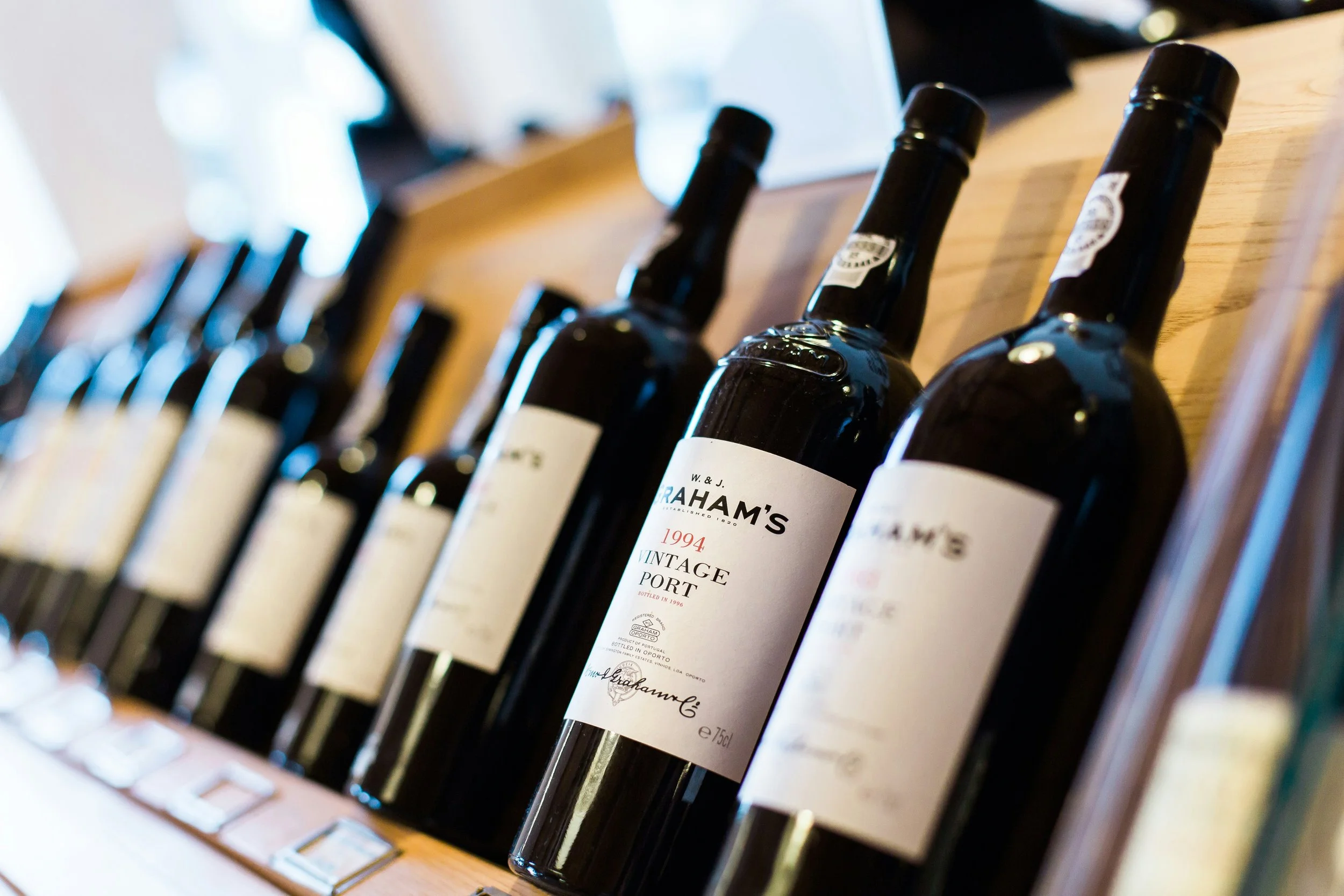
Vintage Port is unique because it is aged in the bottle. The Vintage is the only type of Port that really develops and ages inside the bottle in this way.
So, what makes it so special?
We don’t produce Vintage Port every year. In particularly good years, we send samples of the grapes and wine to the Port authorities. They decide whether the wine qualifies to be declared a Vintage.
We can’t simply decide for ourselves that something is going to be a Vintage Port. It has to receive approval beforehand.
A Vintage Port also comes from a single harvest. We don’t blend it with wines from other years.
The main difference between a Vintage Port and a regular Port is what happens between the barrel and the bottle.
Vintage Port is not filtered.
Because it isn’t filtered, some of the natural sediment from the wine remains in the bottle. That sediment is part of what allows the wine to continue ageing for decades — potentially 100 years or more.
A Vintage Port can become something really special with time.
A Family Tradition
It’s almost like a family judge going through a checklist and deciding whether everything has been approved.
There’s also a lovely Portuguese family tradition connected to Vintage Port.
My granny actually harvests her own grapes, and my cousin and I have a tradition with her during the summer holidays. She has given each of her grandchildren a Vintage Port from the year they were married.
There are seven grandchildren, and the oldest has already married, so we’re waiting to see how that goes for the rest of us!
I’ve been told it’s quite an experience.
I keep telling her that I’m waiting until I’m 90 years old to get married, and she says, “I’m going to kill you!”
It’s something kept for a special occasion — something special to have in mind.
How Long Should You Keep a Vintage Port?
Ideally, we always recommend leaving Vintage Port in the bottle for a minimum of 20 years, if you can.
For example, we have a Vintage from 2016.
If you add three years to that, you get 2019 — but if you’re looking at the full 20-year
recommendation, you would ideally wait until around 2039 before opening a 2016 Vintage Port. If you can’t wait that long, then you may have to open your wallet and spend a little more on an
older Vintage. That way, someone else has done the waiting for you!
The older the Vintage, the longer it has already spent aging in the bottle.
So I’ll leave you with that recommendation.
And one final thing: Vintage Port is always a Ruby-style Port. You can never have a Tawny Vintage Port.
The only downside is that once you open a Vintage Port, you generally only have a couple of days to drink it before it starts to lose its freshness.

Founder of this eponymous blog, focusing on men's fashion & lifestyle.