
Why Cyprus Is Becoming a Destination for Wine and Spirits Lovers
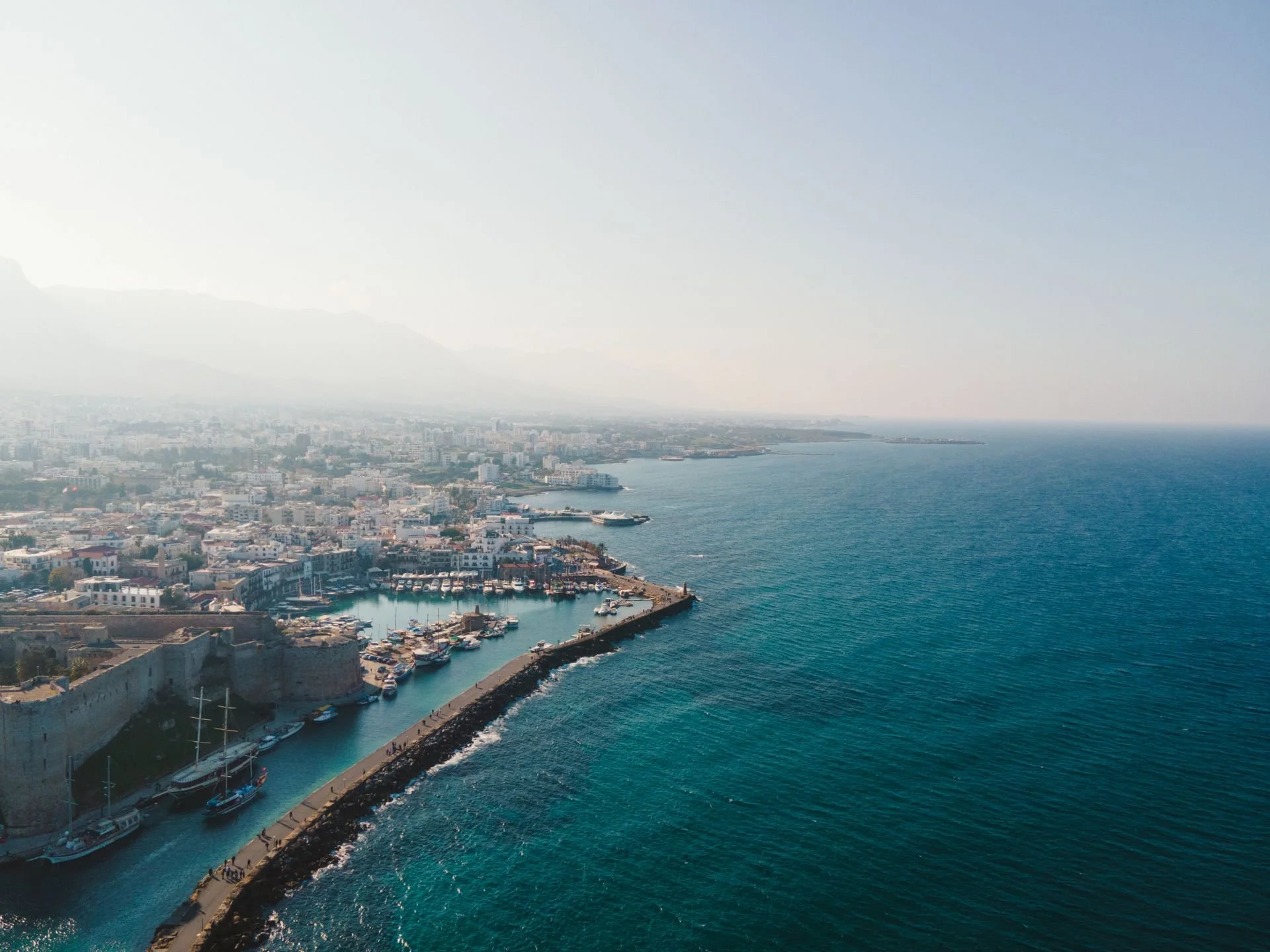
Cyprus has long been associated with beaches, warm weather and resort towns, but that picture is becoming less complete. More visitors are also looking inland, where mountain villages, wineries, indigenous grapes and traditional spirits add another layer to the trip. Wine and spirits are becoming part of the travel experience, not just something ordered with dinner.
Cyprus recorded 4.53 million tourist arrivals in 2025, up 12.2% from the previous year, while tourism revenue reached €3.7 billion. Those figures don’t describe wine tourism specifically, but they show the demand for experiences beyond a standard beach holiday. That creates room for food, wine and regional culture to become a more visible part of the visitor economy.
The Wine Story Is Much Older Than the Tourism Boom
Cyprus doesn’t need to invent a wine identity because it already has one. Winemaking on the island dates back thousands of years, and indigenous varieties such as Xynisteri, Mavro and Maratheftiko are still used by modern producers. Local wine therefore gives visitors something more distinctive than familiar international grapes grown in another Mediterranean climate.
Commandaria is the clearest example of that continuity. The sweet wine is made from Xynisteri and Mavro grapes that are allowed to ripen fully and then dried in the sun before fermentation. Its history is closely tied to the Commandaria region around Limassol, and it is widely described as one of the oldest named wines still in production.
The official Commandaria route passes through 14 villages, linking wineries with old presses, churches, and the mountain landscape where the wine developed. Visitors can understand the drink through the place that produced it, not just through tasting notes. That connection between bottle and landscape is central to the island’s appeal.
Wine Routes Turn Tasting Into Part of the Trip
Cyprus has seven officially developed wine routes, including Commandaria, Pitsilia, Laona–Akamas, Vouni Panagias–Ambelitis and the Wine Villages of Limassol. They connect producers with villages, restaurants and cultural stops instead of treating each winery as an isolated attraction. A tasting can sit naturally inside a wider day in the countryside.
The routes also offer different settings. Laona–Akamas combines wineries with the rugged landscape of western Cyprus, while Pitsilia takes visitors into mountain villages where altitude changes both the scenery and the growing conditions. This variety makes it easy to combine wine with lunch, a drive or a walk rather than dedicate the day to tasting rooms.
That flexibility matters because not every traveler wants a wine-only holiday. One afternoon can be spent at wineries while the next day returns to the coast or another part of the island. Cyprus works well for people who want wine to enrich a trip without taking it over.
Local Drinks Go Beyond Wine
The island’s drinking culture also includes Zivania, a traditional grape spirit distilled from grape pomace together with dry wine. Produced for centuries, it remains closely tied to village life, especially in the Troodos region. For visitors, it provides a sharp contrast with sweet Commandaria or a fresh local white.
That contrast shows how much variety comes from the same agricultural base. Xynisteri can appear as a light white wine, Mavro can contribute to Commandaria, and the remains of winemaking can become part of a distilled spirit. Cyprus therefore offers more than a single flagship drink.
These traditions are still visible in public life. The Limassol Wine Festival continues to bring wineries and visitors together, while village celebrations often combine wine, Commandaria, Zivania and local food. The drinks remain part of living culture rather than products preserved only for tourists.
The International Selection Has Caught Up
A drinks destination also benefits from access to bottles from elsewhere, and this side of the market has developed quickly in Cyprus. Specialist retailers now carry international wine, Champagne, Cognac, whisky, rum, tequila, mezcal and sake alongside local bottles. Travelers can compare what they discover on the island with styles and producers they already know.
One example is Punin Wine, which has operated since 2012 and has two boutiques in Limassol alongside an online store and mobile app. Its wider catalog contains more than 7,000 products, including over 500 rare and exclusive items, while the boutiques add tasting areas and sommelier assistance. For visitors, that means a winery day can be followed by a different kind of tasting or bottle search in the city.
The point isn’t that one retailer defines the island’s drinks scene. Specialist retail, village wineries, restaurants, and local producers can all exist in the same ecosystem. Together they make Cyprus more interesting to people who enjoy wine and spirits broadly rather than focusing on one category.
Food Gives Local Drinks Their Context
Food is a natural part of Cyprus's drinks culture, especially outside resort areas. Local wines are often encountered alongside halloumi, olives, cured meats, bread, grilled dishes and long meze-style meals, so visitors experience them in the setting they were made for rather than as isolated tasting samples. Restaurants and village tavernas also make it easy to try several local styles without planning a separate winery visit.
The same applies to traditional drinks such as Commandaria and Zivania. They appear alongside desserts, preserved fruit, coffee, or shared meals, which helps explain how these drinks fit into everyday Cypriot hospitality. For travelers, that connection between food and drink makes the local wine and spirits culture easier to understand than a list of grape varieties or production methods alone.
Compact Geography Is a Major Advantage
Scale may be one of Cyprus’s strongest advantages for this type of travel. In famous wine regions, visitors often have to dedicate several days to long drives between producers and tasting appointments. On Cyprus, wine villages, cities, beaches and mountain areas can be combined much more easily.
Someone staying in Limassol can spend one day near the coast, another driving through the Commandaria villages and the following evening exploring restaurants or specialist shops in the city. From Paphos, western wine routes can be combined with mountain villages and the Akamas area without turning the holiday into a wine-only itinerary. The distances are manageable enough that travelers rarely have to choose between wine tourism and a conventional Mediterranean break.
That makes the island attractive to curious drinkers, not just collectors or serious wine students. A visitor can take one winery afternoon, order Xynisteri with dinner and try Zivania in a village while still spending most of the holiday doing something else. The drinks scene adds depth without demanding complete commitment.
Wine and Spirits Along the Way
A few days in Cyprus are enough to encounter local drinks in very different settings. Commandaria may come up during a drive through the mountain villages, Xynisteri can appear on a restaurant wine list, and Limassol has enough specialist shops to continue exploring once you are back in the city. None of this requires you to organize the holiday around winery visits.
The setting also changes how you experience the drinks. A small producer in the hills, a village taverna and a specialist retailer in Limassol offer three completely different ways to approach Cypriot wine. Local grapes and traditional spirits sit alongside imported wines and premium spirits, so visitors can move between regional bottles and familiar international styles.
On Cyprus, you can spend the morning in a mountain village, have local wine with lunch and be back in Limassol by evening. The same trip can include a winery, a bottle of Commandaria and a completely unrelated day at the coast. Wine is present often enough to matter, but it never has to dictate the itinerary.
Image Credit https://www.pexels.com/ru-ru/photo/10785667/

Founder of this eponymous blog, focusing on men's fashion & lifestyle.