Turning Old Wool Into New Possibilities: Inside John Lewis’s Closed Loop Initiative
Sustainability in fashion has evolved from a trend into a responsibility, and few British retailers are approaching it as thoughtfully as John Lewis. Their Closed Loop Initiative is a forward-thinking project designed to reduce textile waste, elevate recycling practices, and give pre-loved wool a brand new life. The result is a beautifully crafted circular knitwear collection that showcases how style and sustainability can work hand in hand.
What Is the Closed Loop Initiative?
The Closed Loop Initiative is John Lewis’s commitment to circular fashion. Rather than letting unwanted wool garments end up in landfill or incinerated, the retailer has created a system that collects old wool items, breaks them down, and transforms them into new knitwear. This allows materials to be used again and again, closing the loop and dramatically reducing waste.
A Journey from Old Garments to New Knitwear
Every piece in the Closed Loop range begins with something previously worn and loved. Here’s how the transformation happens:
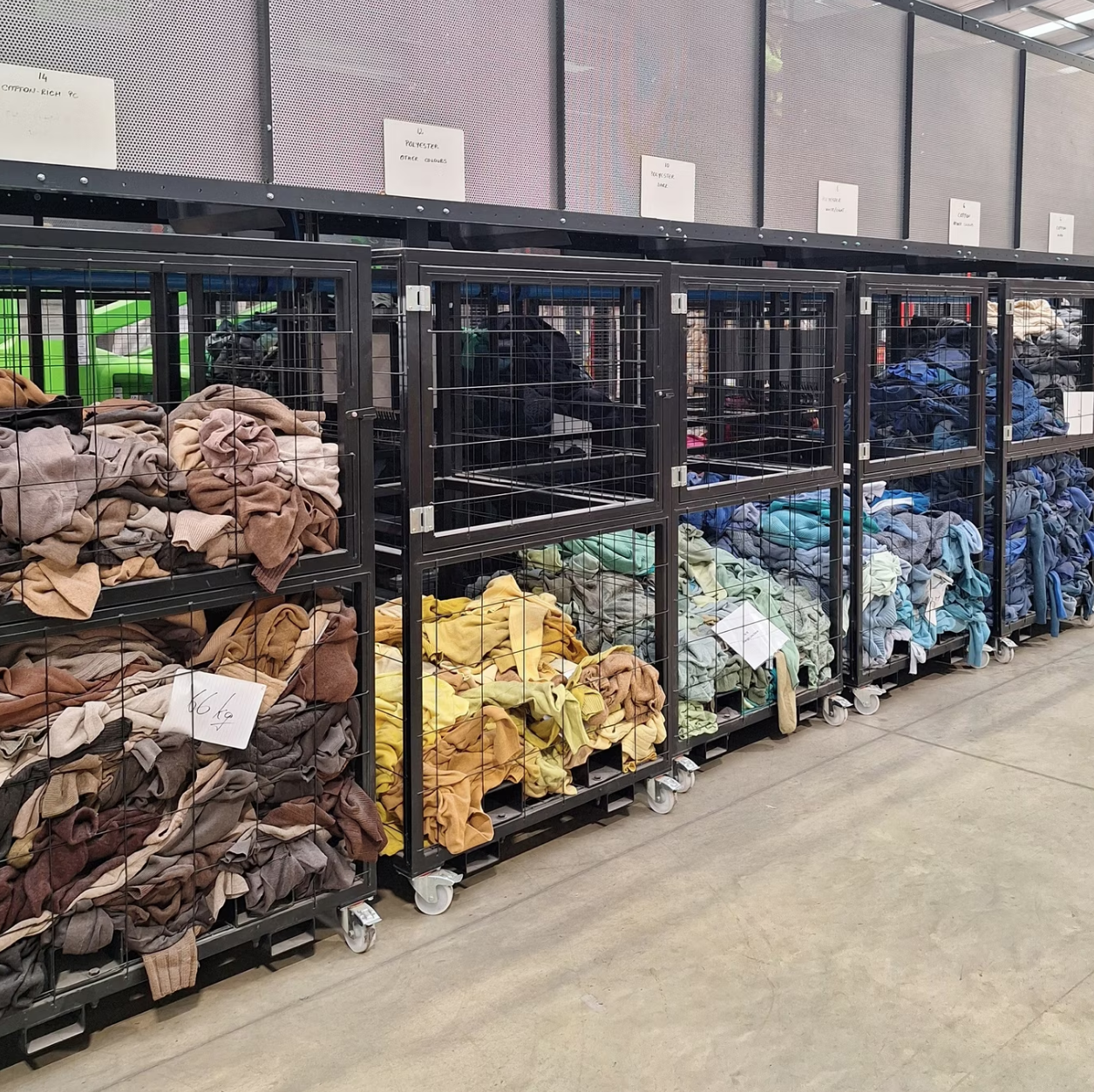
Collection. Customers bring unwanted wool garments into John Lewis shops, where they are sorted for reuse or recycling. Items that aren’t suitable for resale become part of the recycling stream.
Sorting and Fibre Recovery. The wool garments are processed so that the fibres can be reclaimed. Advanced separation methods allow thousands of garments to be broken down into workable fibres once again.
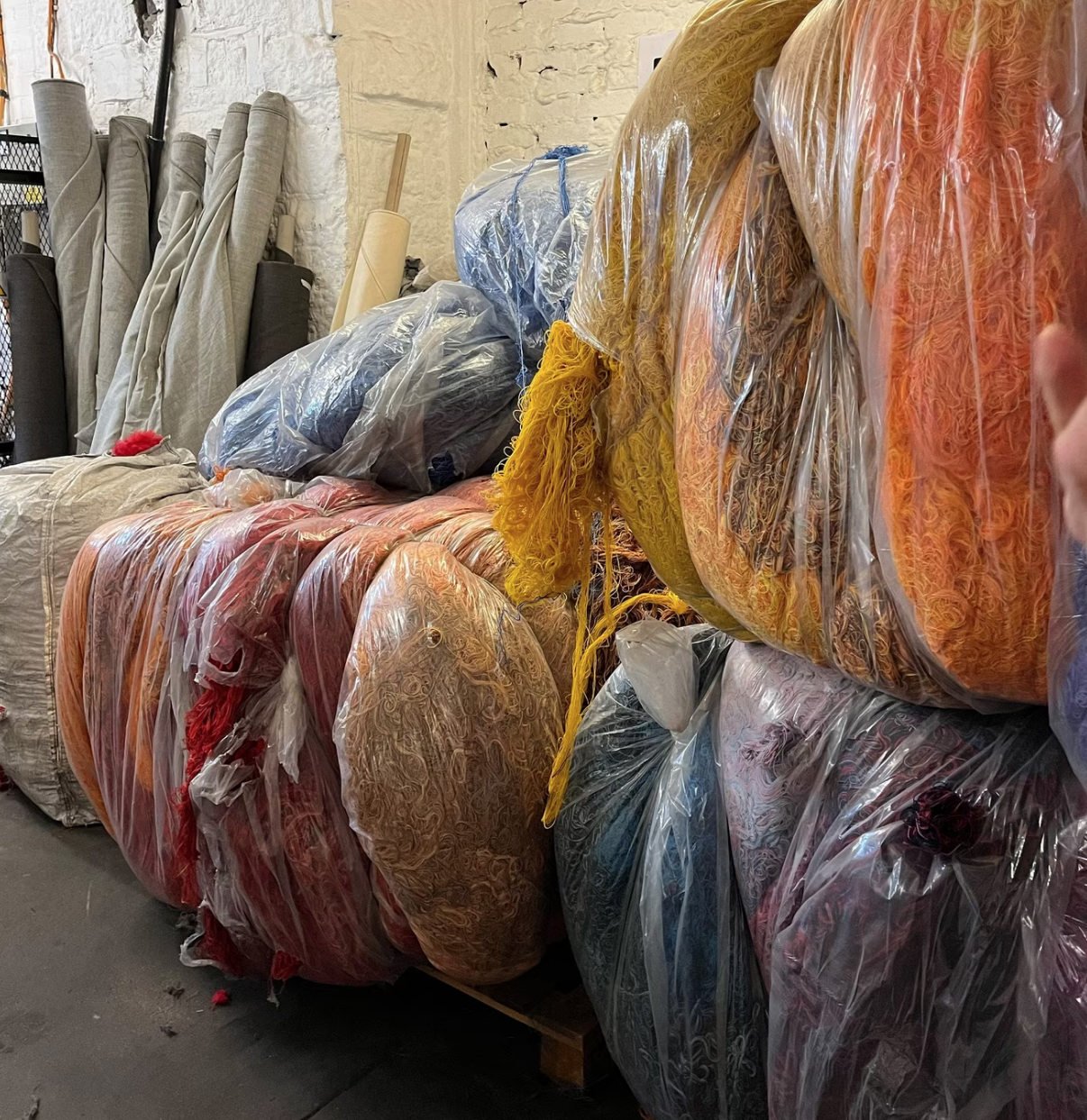
Processing and Blending. The recovered wool is cleaned, prepared, and blended into unique colour mixes. Because the fibres already contain colour, the process avoids additional dyeing, saving water and reducing environmental impact.
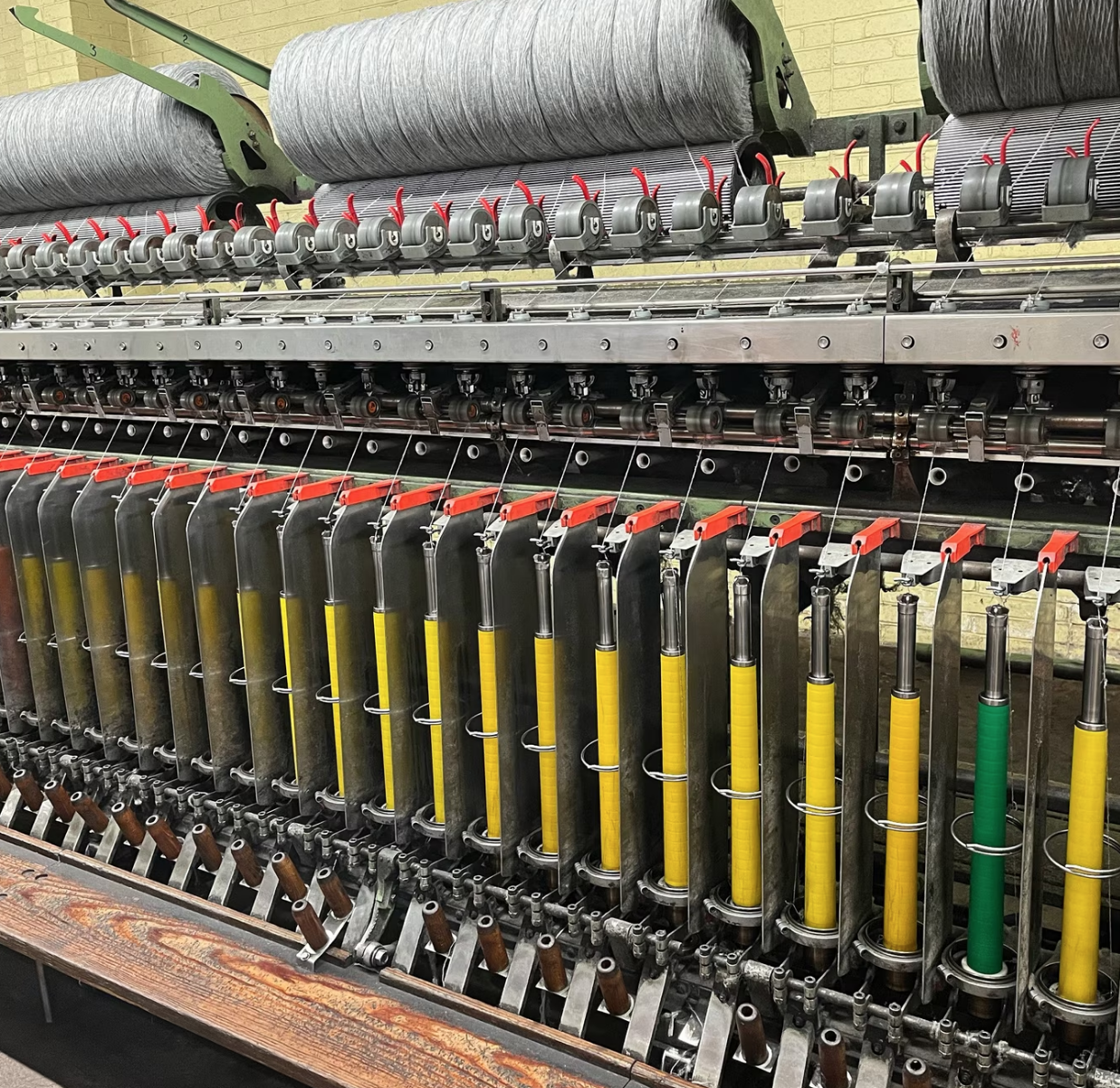
Spinning. Skilled British spinners turn the recycled fibres into new yarn. This stage is an important link in supporting local textile craftsmanship.
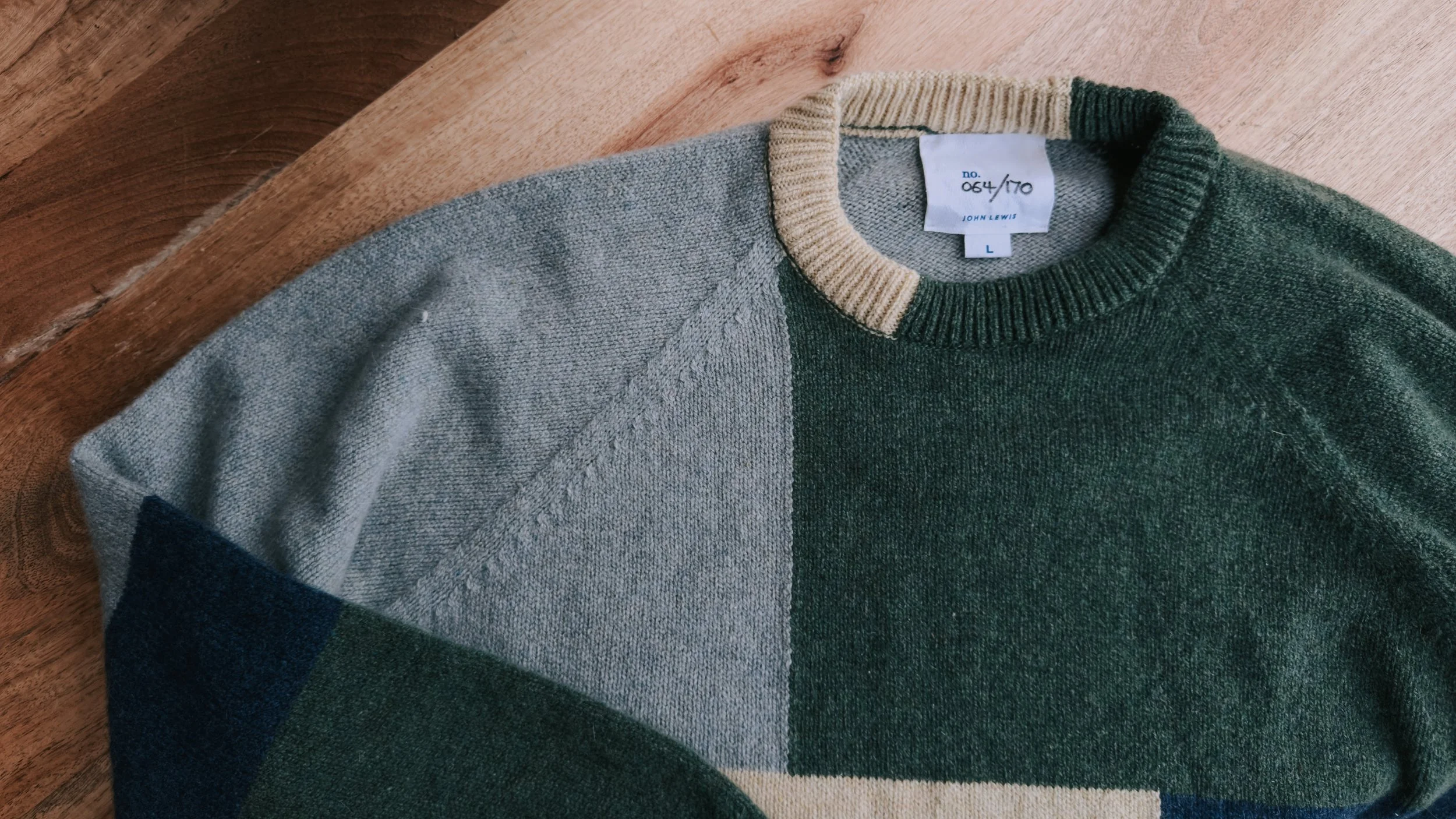
Knitting. The yarn is knitted into new garments using circular knitting machines, which produce minimal waste. Each finished piece is individually numbered, acknowledging its journey from old to new.
What makes this collection particularly special is that the new garments are designed to be recycled again at the end of their life. Buttons, zips, and mixed materials are avoided so the items remain fully recyclable in future cycles.
What Makes It Truly Circular
While many brands explore recycled materials, John Lewis goes deeper by ensuring that:
Garments are created from the same fibre throughout, making future recycling easier.
The production method minimises waste from the very start.
All key stages, from fibre recovery to knitting, take place within the UK, reducing transport emissions and supporting British textile expertise.
It’s a rare example of a genuinely circular, locally anchored system within the fashion industry.
What’s in the Collection?
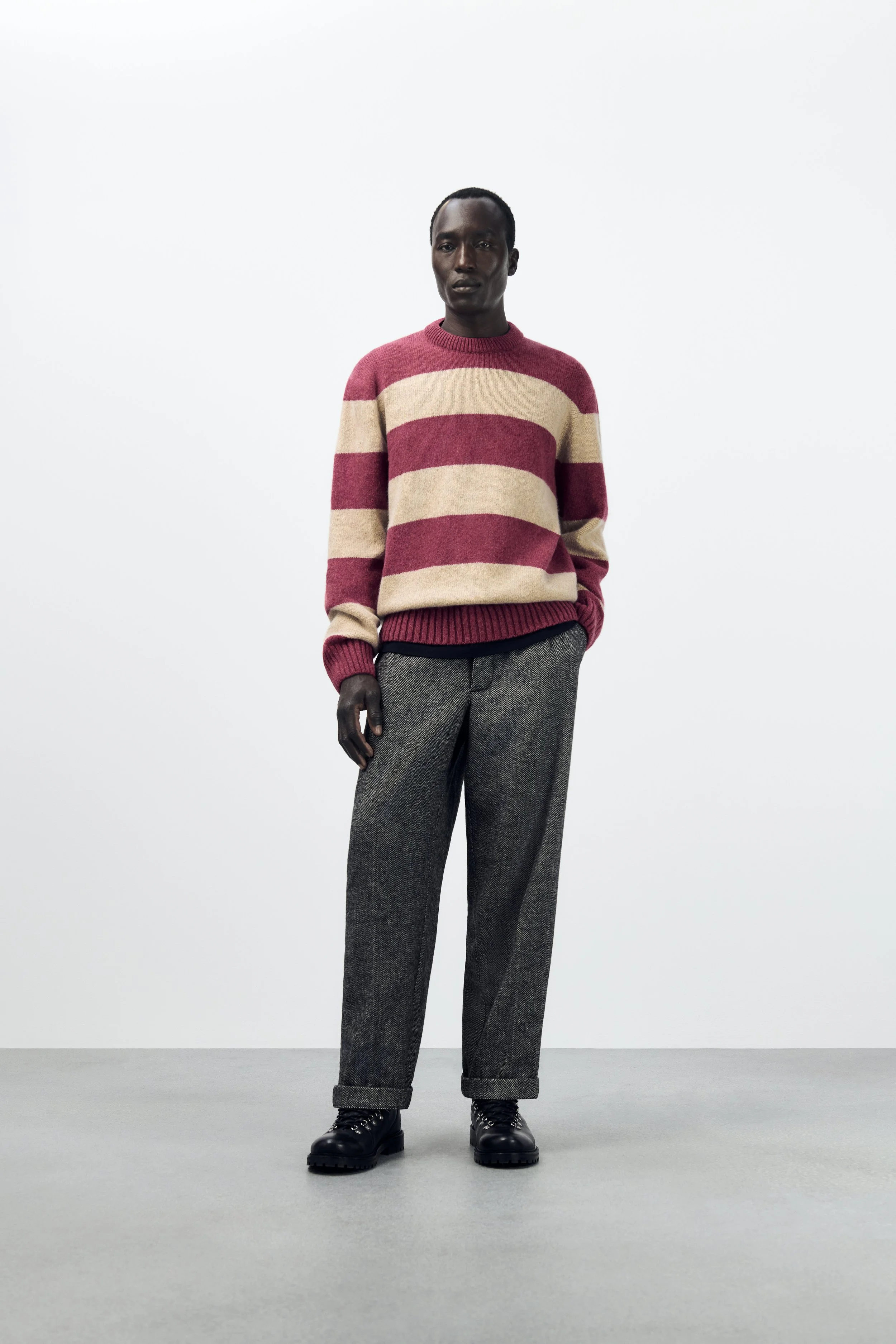
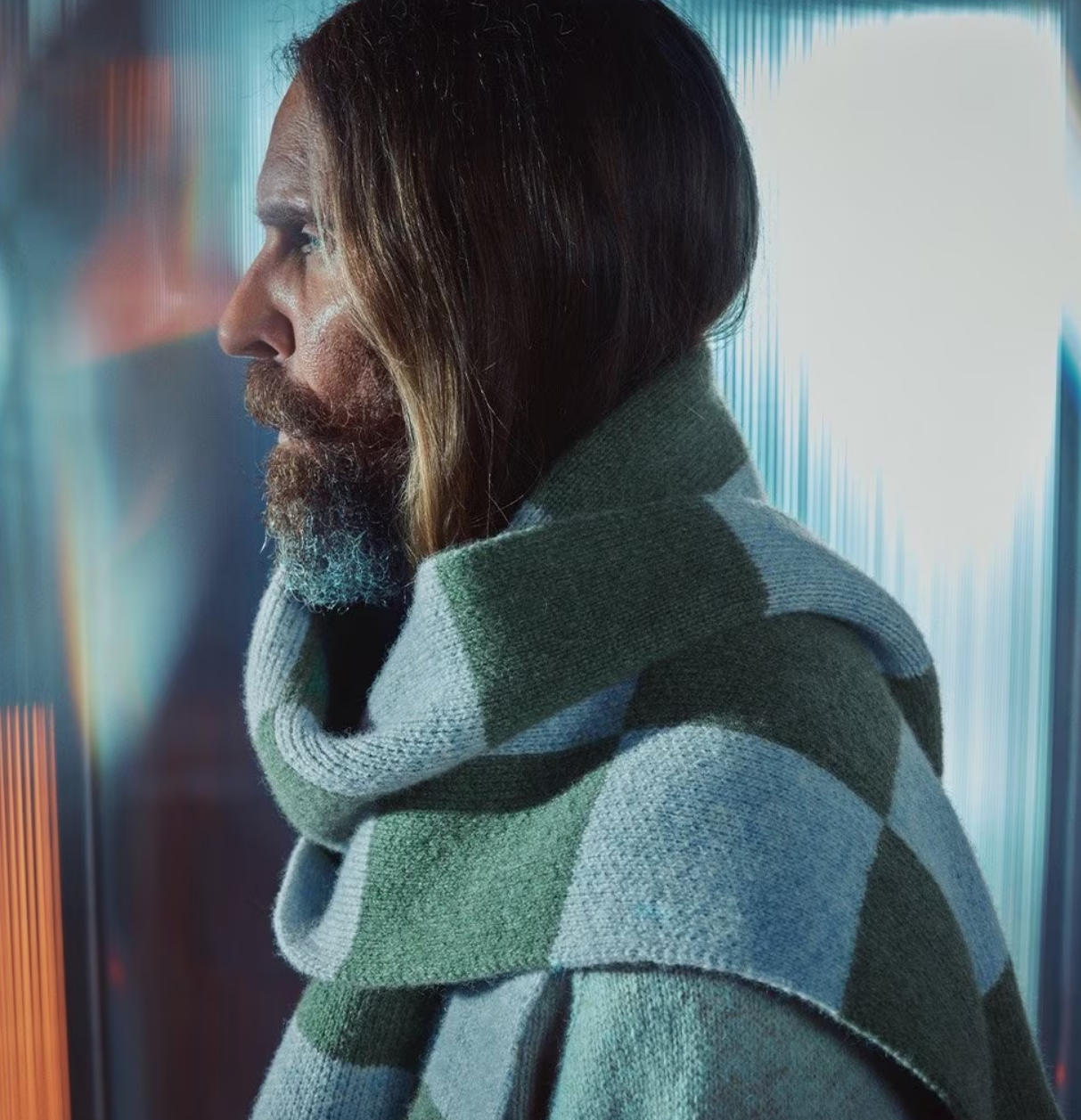
The Closed Loop collection features a range of 100% recycled wool knitwear, including unisex jumpers, beanies, and scarves. The designs are joyful, colourful, and full of character, proof that sustainable fashion can be expressive as well as responsible.
Because the colour blends come from the original fibres, each piece has a unique depth of tone that feels both crafted and contemporary.
Why It Matters
The UK discards hundreds of thousands of tonnes of textiles every year, and wool is one of the fibres with the greatest potential to be recycled effectively. The Closed Loop Initiative shows what’s possible when a retailer commits to rethinking the entire lifecycle of a product.
By empowering customers to return their old garments and by refining a local circular system, John Lewis demonstrates that fashion can move away from “take, make, dispose” towards a future based on reuse, redesign, and regeneration.
Looking Ahead
The Closed Loop Initiative is a blueprint for what modern fashion should look like. Thoughtful, transparent, local, low-waste, and endlessly renewable. As customers become more conscious about the impact of their wardrobe, initiatives like this offer a genuine, meaningful alternative.

Founder of this eponymous blog, focusing on men's fashion & lifestyle.