Road Trip Adventures Across British Landscapes
Britain’s countryside stretches from rolling hills and farmland to woodland trails and accessible coastal routes. These areas are easy to reach and provide a calm contrast to city life. Travelling by road allows flexibility, giving you time to pause at viewpoints, explore small towns, and shape each day around your own pace.
This style of travel combines independence with practical comfort. You can adjust plans around the weather, stay longer in places you enjoy, and experience rural landscapes without fixed schedules. Road trips across Britain appeal to families, couples, and solo travellers who value both freedom and reliable facilities.
British weather changes quickly, which shapes the rhythm of any journey. A well-equipped vehicle provides shelter during rain and a warm space during cooler evenings. Simple moments, such as preparing a hot drink while waiting out a shower or stopping to watch a coastal sunset, become part of the overall experience rather than interruptions.
The Best British Landscapes for Memorable Road Trips
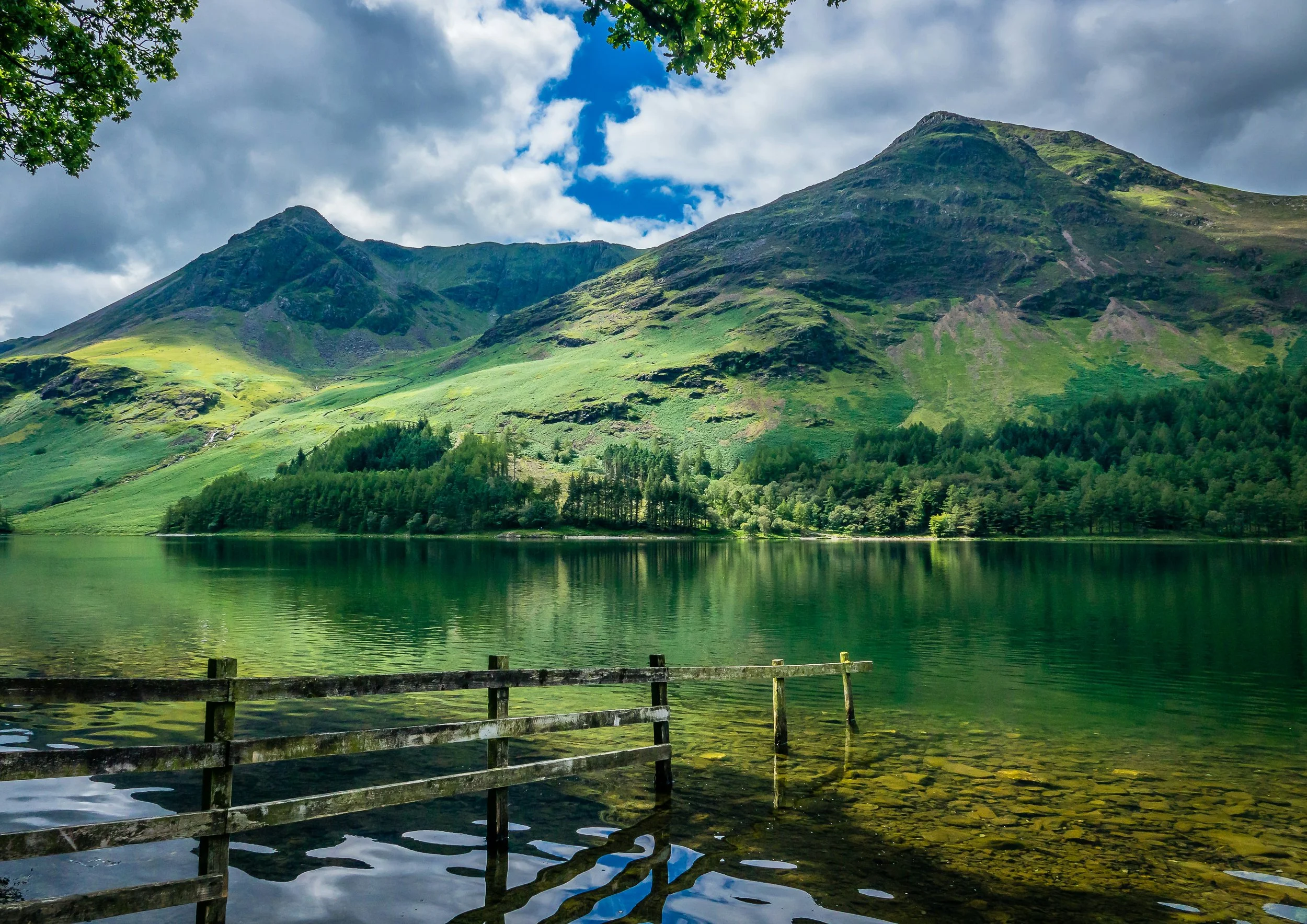
Across the country, landscapes shift quickly from lakes and mountains to coastline and open moorland. The Lake District features winding roads around lakes and dramatic fells. Routes between Keswick and Buttermere give access to mountain views and quiet lakeside walks. Early starts offer clearer roads and calmer surroundings.
Cornwall and Devon provide striking coastal drives. The Atlantic Highway follows the north Cornwall coast, passing coves, cliffs, and traditional fishing villages. Viewpoints along the route allow time to explore on foot before continuing south or heading inland towards Dartmoor.
For more remote landscapes, the North Coast 500 in Scotland spans 516 miles through the northern Highlands. Drivers pass rugged coastlines, small communities, and open moorland. Given the distance and the limited facilities between stops, many travellers plan these stretches with well-equipped vehicles from 365 Camper Hire, designed for extended countryside journeys across remote areas. Some sections narrow to single-track roads, which require steady driving and awareness of passing places.
Seasonal Route Planning for Maximum Impact
Timing influences scenery and driving conditions. In the Highlands, summer brings heather in bloom and long daylight hours. June evenings allow extended travel between remote stops without rushing.
Cornwall and Devon work well in May or September, when visitor numbers are lower and coastal paths remain accessible. Temperatures are often mild, and parking is generally easier than in peak summer.
Weather affects road conditions across Britain. Winter travel in northern regions requires careful preparation. In summer, narrow Cornish lanes can become busy. Spring offers rural scenes with lambs in fields and blossom lining hedgerows, especially across the Cotswolds.
Choosing the Right Vehicle for Your Adventure Style
Selecting the right vehicle shapes the overall experience. Campervans offer easier handling on narrow lanes and suit solo travellers or couples. They provide compact facilities designed for shorter trips and regular movement.
Motorhomes provide more interior space, with separate sleeping, cooking, and bathroom areas. Families or groups planning longer journeys often appreciate the added comfort and storage capacity.
When comparing options, look for practical kitchen equipment, comfortable sleeping arrangements, and secure storage for clothing and outdoor gear. Clear layouts and straightforward setup make daily routines smoother.
British roads range from multi-lane motorways to historic village streets and rural tracks. Larger vehicles require careful navigation in tight spaces and attention to height restrictions. Recent updates to UK road width regulations also highlight how space on narrower roads is being reconsidered, particularly in areas shared with cyclists. Knowing your vehicle’s dimensions supports confident driving in varied conditions.
Driving Comfort on British Roads
Handling larger vehicles on narrow country lanes requires patience. Using passing places correctly, as outlined in the UK Highway Code passing places, helps drivers manage tight roads safely and courteously. Reducing speed near blind bends maintains a relaxed atmosphere for everyone on the road.
Parking in rural areas can be limited. Some car parks restrict height, often around 2.1 metres. Checking signage before entering avoids inconvenience. When visiting historic towns, park and ride facilities reduce pressure and simplify access.
Road surfaces vary across the country. Smooth motorways in southern England differ significantly from rougher single-track roads in the Highlands. Adjusting speed and maintaining steady control improves comfort for both driver and passengers.
Planning Your Route and Overnight Stops
Effective route planning balances driving time with opportunities to explore. Limiting driving to a few hours per day leaves time for walks, cafés, and local attractions. Circular routes reduce repetition and bring fresh scenery on each stage of the journey.
The UK offers a wide range of campsites, from simple rural pitches to fully serviced parks with electric hookups and shower facilities. Official sites provide clear waste disposal points and secure overnight stays. For travellers considering off-grid options, understanding wild camping rules in the UK is important, as regulations vary by region and permission is often required.
In popular areas during summer, reserving campsites in advance reduces stress. Online platforms make it easier to identify suitable stops with appropriate access for larger vehicles.
Planning realistic travel distances keeps the experience enjoyable. When each day allows time to settle, cook, and relax, the journey itself becomes part of the holiday rather than simply a way to reach the next destination.
Hidden Gems Worth the Detour
Lesser-known viewpoints often provide memorable stops. Hardknott Pass in the Lake District offers dramatic mountain scenery for confident drivers. The summit area includes space suitable for larger vehicles and rewards visitors with wide valley views that reflect the rugged character of this historic route.
Farm shops along rural routes provide regional produce and convenient parking. Tebay Services on the M6 in Cumbria combines a farm shop with dedicated motorhome parking, creating a practical and scenic stop.
Natural landmarks with nearby overnight parking allow early morning walks before crowds arrive. Parts of the Cairngorms National Park offer forest car parks where overnight stays are permitted, giving access to trails at first light.
Community forums and campervan groups share local knowledge about quieter routes and practical stopovers. These shared experiences help travellers shape journeys that feel personal and varied.
Essential Gear and Practical Considerations
Beyond standard vehicle equipment, a few additional items improve comfort. A reliable torch supports safe movement around campsites at night. Levelling blocks help stabilise the vehicle on uneven ground. A small toolkit allows basic adjustments if needed.
Navigation tools designed for larger vehicles reduce the risk of encountering low bridges or unsuitable roads. Understanding UK bridge height standards can help drivers of taller vehicles avoid restricted routes and plan safer journeys across rural and urban areas. Offline maps remain useful in areas with limited signal coverage.
Food storage requires planning. Collapsible containers and organised cupboards make efficient use of space. Preparing simple meals based on shared ingredients reduces waste and simplifies cooking.
Waterproof clothing and warm layers remain important throughout the year. Even during summer, evenings in upland or coastal areas can turn cool.
Managing Resources on the Road
Water capacity varies between vehicles, so sensible use extends time between refills. Campsites and selected service stations provide refill points. Planning ahead prevents inconvenience in remote areas.
Understanding the difference between the leisure battery and the main vehicle battery supports efficient power management. Many vehicles offer sufficient capacity for short off-grid stays, especially during brighter months.
Waste disposal must take place at official facilities. Emptying chemical toilets and grey water only at designated points maintains environmental standards and campsite access for future visitors.
With careful planning, realistic distances, and a vehicle suited to your route, road travel across Britain becomes both practical and rewarding. From mountain passes to coastal lanes, each region offers a different pace and character. Flexible travel allows you to adapt to weather, linger in places you enjoy, and explore beyond the obvious stops. A well-prepared journey turns the road itself into part of the experience.
Photo by James Armes on Unsplash

Founder of this eponymous blog, focusing on men's fashion & lifestyle.