
Feeding Bottle Washing Machine Guide: Features, Benefits & Top Picks

A feeding bottle washing machine is emerging to become a necessity for any busy parent who desires a faster, safer, and more hygienic method of cleaning the bottles of their baby. Rather than spending time handwashing or letting certain parts soak, these smart gadgets simplify the whole procedure and then you can dedicate more time to your small one. Here, we will discuss the operation of feeding bottle washing machines, their characteristics, and why they are becoming the preferred choice of most families to clean up the feeding process and make it more convenient.
What Is a Feeding Bottle Washing Machine?
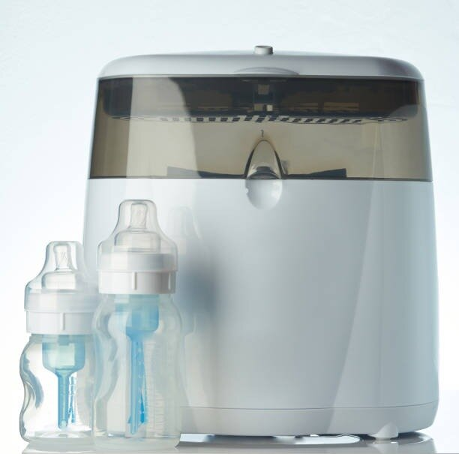
A feeding bottle washing machine is a small machine that is specifically meant to clean, sanitize and even dry baby bottles and other accessories. This specific machine has targeted jets, soft but powerful washing cycles, and high temperatures of sterilization, unlike typical dishwashers that leave residue or are unable to reach tiny crevices, making sure that every part of the bottle is hygienically safe for your baby. Feeding bottle washing machines are designed with child-friendly cleaning in consideration, and usually include special racks that securely store nipples, rings, caps, and breast pump parts. To busy parents, they provide the benefit of a hand-free cleaning experience and the assurance that every bottle is completely sanitized.
Why Use a Bottle Washing Machine?
A bottle washing machine could be very helpful in your daily feeding habits. Baby bottles require regular washing, and hand washing can easily get tiresome, particularly when you are operating on minimal sleep. Such machines are time-saving, energy-saving saving and make the cleaning process consistent and thorough with each surge.
Another significant advantage is hygiene. As the immune system of babies develops, good cleaning is used to avoid bacteria, mold, and the accumulation of milk residues. Sterilization is also a feature in many of the models, and one will not need to have a separate sterilizer.
Bottle washing machines are also tender to the parts of the bottles. Nipples and plastic parts may be worn out through manual scrubbing, but with automated washing, their life is extended. To pumping parents, they provide a quick, efficient means of cleaning off several small components simultaneously, and no longer have to clean up each valve and flange individually.
How Bottle Washing Machines Work
Although the brands might have different functionality, most bottle washing machines have a similar working process. The first step is to place the parts of the bottles on special racks. Such racks are made in such a way that small items do not move during the washing process.
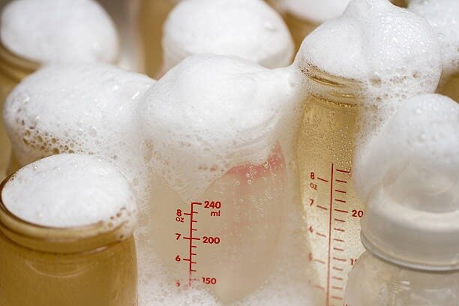
The machine then loads and then sprays using strong yet soft water jets so that all the interior surfaces are covered, even the inside of bottle necks and tight corners. Water is usually hotter than handwashing and can be used to clean deeper and remove milk fats and proteins.
The machine then loads and then sprays using strong yet soft water jets so that all the interior surfaces are covered, even the inside of bottle necks and tight corners. Water is usually hotter than handwashing and can be used to clean deeper and remove milk fats and proteins.
Simply stated, the machine is a multi-step machine which includes: wash, rinse, sterilize, and in most cases, dry, all within a small machine.
Key Features to Look For
When choosing a feeding bottle washing machine, a few essential features can make all the difference:
1. Multi-Stage Cleaning
Find machines with the option of washing, sterilizing and drying. Multi-stage system will reduce the number of tools required, and it is a system that streamlines the cleaning process.
2. Adjustable Racks & Bottle Holders
Feeding bottles are available in any size, wide neck, standard neck, angled, anti-colic, and others. Ensure that the machine is capable of supporting the kind of bottles and other accessories that you utilize, including pump parts.
3. Safety Certifications
Look into the certifications of the safety of baby products, e.g., BPA-free, FDA-compliant, or other local safety standards.
4. Quiet Operation
A machine that runs quietly can be a great bonus since most parents wash bottles during naptime or late-night feeds.
5. Energy Efficiency
Find models that consume less water and less electricity but do not sacrifice cleaning performance.
6. Drying Function
A drying cycle will avoid bacteria growth and remove the necessity of a separate drying rack, which may gather dust or kitchen dirt.
7. Compact Size
Children usually have little counter space, particularly in family kitchens. A machine that does not have a large footprint is best suited for daily use.
8. Easy Maintenance
Removable filters, available water tanks and easy processes of descaling make the ownership simpler and guarantee long-term performance.
Choosing Your Feeding Bottle Washer
In choosing the appropriate bottle washing machine for your house, take into consideration your lifestyle and the day-to-day routine. When you are only bottle-feeding or pumping after every few hours, a machine with a large capacity and a quick cycle will be the most useful. Parents who are not fond of a lot of devices can choose a simpler model that lacks any drying features, whereas those who want everything in one can choose a model that can wash, sterilize, and dry clothes within one run, like Momcozy KleanPal Pro Baby Bottle Washer and Sterilizer, it is a good choice.
Also, take into consideration compatibility with products that you are already using. Some machines are specific to a certain brand or shape of bottle, and others are general. Consider the longevity, too; better-quality machines can work through several children, which can be a great long-term investment.
Budget is another factor. The higher-level models could be pricier; however, they also do not require the use of other instruments, such as separate sterilizers or drying racks. To most parents, the investment alone is worth the time saved.
Tips for Using Your Bottle Machine
● Pre-rinse when needed: Although most machines are able to work with normal milk residue, a quick rinse can be helpful in order to prevent accumulation, particularly with formula.
● Load correctly: Nipples, rings and valves should be installed in their rightful positions so that they do not shift during the wash.
● Don’t overcrowd: Overloading the machine can reduce cleaning effectiveness.
● Use recommended detergents: There are certain cleaning tablets or baby-safe detergents that are needed in some machines.
● Clean the machine regularly: Remove and wash filters, wipe down the interior, and descale as needed.
● Check compatibility: Only wash dishwasher-safe bottles and pump parts to avoid damage.
Conclusion
A feeding bottle washing machine offers a simple, reliable way to keep your baby’s bottles clean, sanitized, and ready for every feed. It does the washing, sterilizing and in some cases drying on your behalf, leaving a huge burden off your hands every day and maintaining high standards of hygiene. A bottle washing machine can save time, relieve stress, and make the feeding process smoother and easier with the right features and used appropriately.

Founder of this eponymous blog, focusing on men's fashion & lifestyle.


